
By Lawrence Olokede
I was one conversation away from getting a job I really wanted. Then I met the Group MD and completely fumbled it.
A few years ago, a friend referred me for a role at their firm.
The company is a reputable financial institution that I had admired for a long time, so getting into an interview with the firm was a big deal for me. And honestly, I was enjoying the ride.
I scaled the first interview round, then the second one as well. Everything was going smoothly. The team had even started requesting my documentation so they could begin the onboarding and negotiation process.
The final stage was simple: I was to meet the Group MD for a 15-minute conversation so he could sign off on the role and we could close things out.
In fact, on the day we were initially scheduled to meet, he wasn’t around. So I took the opportunity to chat with some of the employees. When they heard I was there to see him, they concluded that I already had the job. At that level, they assumed, speaking with him was probably just a formality.
We eventually got into the meeting.
It started easily. One question after another. Everything was going fine until he asked one very particular question, and I practically blanked out.
I made several attempts at answering the question, but I could see the dissatisfied look on his face. I knew I wasn’t giving him what he was looking for.
Then he called for the hiring manager who had signed off on the hiring, questioning why I couldn’t answer what he considered a very basic question that was fundamental to the role.
I’ll tell you why.
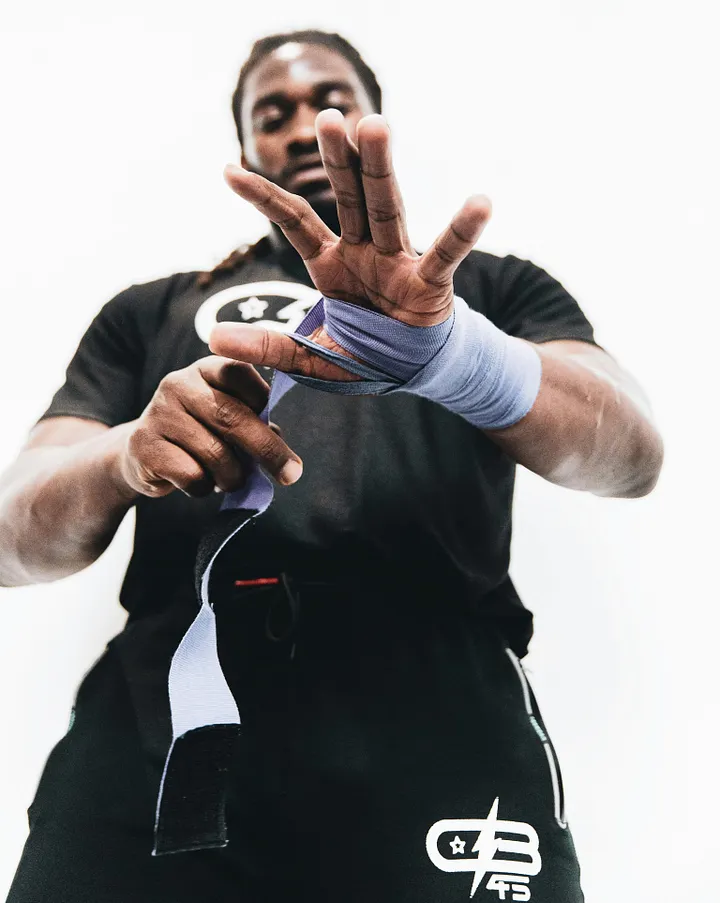
In 1990, undisputed heavyweight champion Mike Tyson entered his Tokyo title defense against 42-to-1 underdog Buster Douglas believing his raw talent made him almost invincible.
Behind the scenes, Tyson had skipped sparring sessions, spent weeks partying, and didn’t watch a single minute of Douglas’s fight film.
His corner was so confident that he would win by knockout that they were reportedly underprepared for what happened when the fight didn’t go according to plan.
Douglas, meanwhile, came prepared.
He used his jab, stayed disciplined, and gradually turned the fight into something Tyson wasn’t prepared to handle.
By the 10th round, the champion was exhausted and out of answers. Douglas knocked him out, ending Tyson’s undefeated record and delivering one of boxing’s most famous reminders that talent alone doesn’t save you when preparation is missing.
Why Tyson lost is, in a much less dramatic way, the same reason I fumbled that interview.
I had prepared for getting the job, but I hadn’t prepared for the job.
Because I was referred for the role, all I knew was the job title. I didn’t ask for the specific job description, and I didn’t properly prepare for what the role required.
What I had was the general knowledge anyone could have to scale an interview.
What the MD was asking for was a simple but specific answer that anyone who had actually gone through the job description and understood the business context would probably have known.
As I walked out of that room, it hit me.
I wanted this job so much, but I had prepared so little for it.
It would have cost me just 10 minutes to ask for the job description beforehand. A few more minutes to understand the business context and to think through what the company would actually need from the person they were hiring.
I didn’t do it.
And I paid for it.
This is one vital lesson that experience has taught me: always overprepare.
In fact, I think it is better to err on the side of being overprepared than to show up unprepared.
Not because preparation guarantees success. It doesn’t.
You can prepare extensively and still lose the opportunity.
But preparation gives you something important: a fighting chance.
Tell people you need more time if you need it.
Ask questions before you show up.
Understand what you’re walking into.
Do the extra research.
Of course, there will always be things you couldn’t have anticipated. Conversations will take unexpected turns. People will ask questions you didn’t prepare for. Things will happen that weren’t on your schedule.
That’s life.
But there is a difference between being caught off guard by something you couldn’t have anticipated and being caught off guard because you simply didn’t do the work beforehand.
Talent can get you into the room. Preparation gives you a better chance of knowing what to do once you’re there.